
Not all gym floors are created equal – and I’ve tested just about every type to prove it.
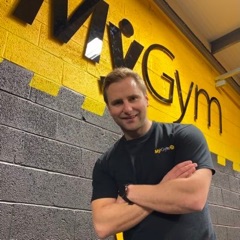
My name is Steve Hoyles, and I’m a fitness expert and commercial gym owner with over 20 years of experience. Along with my team, we evaluated the top picks based on performance, durability, and value.
From heavy lifting setups to HIIT zones and compact garage gyms, we’ve narrowed the field to the 12 top flooring options that actually meet your needs, training style, and budget.
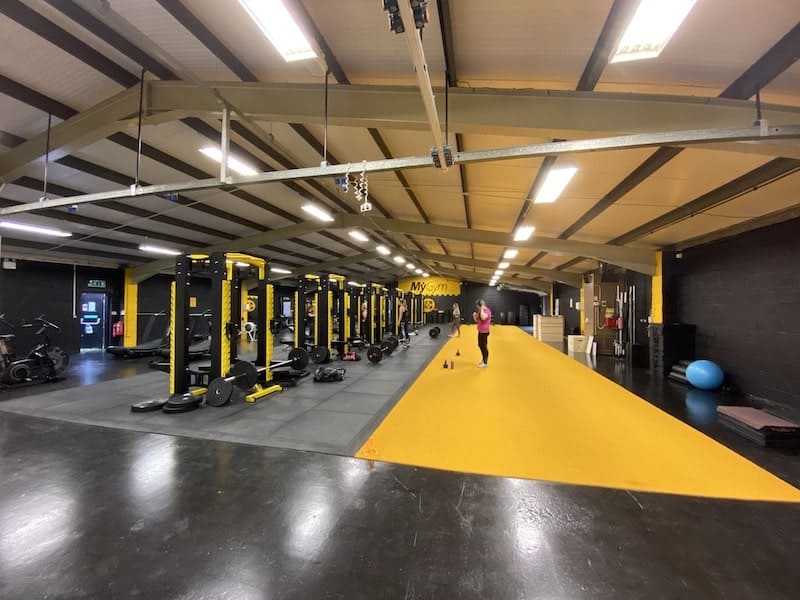 An image of the astroturf flooring in MyGym
Also planning your home gym layout?
Don’t miss our guides to the best squat racks and best bumper plates to complete your setup.
Editor’s note: This guide was updated on May 3, 2026.
Let’s dive right in!
Compare the best home gym flooring options
 Aktivlok Black Rubber Regupol
Check price
Aktivlok Black Rubber Regupol
Check price
|
 American Floor Mats Fit-Lock
Check price
American Floor Mats Fit-Lock
Check price
|
 Extreme Mega Rubber Floor Mat
Check price
Extreme Mega Rubber Floor Mat
Check price
|
 Athletic Vinyl Padded Roll
Check price
Athletic Vinyl Padded Roll
Check price
|
 Max Tile Raised
Check price
Max Tile Raised
Check price
|
 Metallic PVC Vinyl Rolls
Check price
Metallic PVC Vinyl Rolls
Check price
|
 Rubber-Top SUPERJARE Tiles
Check price
Rubber-Top SUPERJARE Tiles
Check price
|
 ProSource Fit Extra Thick Puzzle Tiles
Check price
ProSource Fit Extra Thick Puzzle Tiles
Check price
|
 Triluc Carpet Tile Mats
Check price
Triluc Carpet Tile Mats
Check price
|
 Performance Turf Rolls
Check price
Performance Turf Rolls
Check price
|
 Classic Mules Cork Board Tiles
Check price
Classic Mules Cork Board Tiles
Check price
|
||
|---|---|---|---|---|---|---|---|---|---|---|---|---|
| Best in Category | Rubber rolls (best overall) | Rubber tiles | Premium rubber tiles | Stall mat (over concrete) | Hardwood-like vinyl rolls | Hardwood-like vinyl tiles | Vinyl rolls | Rubberized EVA tiles | Regular EVA foam tiles | Low-pile carpet | Athletic turf | Cork Tiles |
| Rating (*) | ||||||||||||
| Durability & Safety | 89% | 88% | 92% | 80% | 88% | 85% | 74% | 79% | 88% | 65% | 89% | 79% |
| Training Compatibility | 90% | 89% | 93% | 74% | 78% | 74% | 80% | 87% | 82% | 74% | 88% | 74% |
| Brand Support & Reviews | 90% | 89% | 86% | 83% | 84% | 74% | 73% | 75% | 72% | 79% | 73% | 78% |
| Value for Money | 86% | 86% | 75% | 79% | 84% | 75% | 69% | 73% | 87% | 77% | 83% | 80% |
| Material | Rubber | Rubber | Rubber | Rubber | Vinyl | Vinyl | Vinyl | Ethylene vinyl acetate | Ethylene vinyl acetate | Carpet | Artificial turf | Cork |
| Thickness (") | 0.31 to 0.5 | 0.375 (3/8) | 0.375 | 0.375 | 0.28 | 0.625 | 0.1 | 0.56 | 0.75 to 1 | 0.13 | 0.375 | 0.375 |
| Color Options | Yes (fleck) | Yes (fleck) | Yes (fleck) | Yes (fleck) | Yes (6) | Yes (6) | Yes (4) | Yes (fleck) | Yes (3) | Yes (4) | No | No |
| Warranty | 5 years | 5 years | 30-day return guarantee | 30-day return guarantee | 30-day return guarantee | 30-day return guarantee | 30-day return guarantee | 30-day return guarantee | 30-day return guarantee | 30-day return guarantee | 5 years | 15 years |
| Price | $ | $ | $$ | $$ | $ | $$ | $ | $ | $ | $ | $ | $$ |
 Regupol Aktiv Flooring
Our testing and selection process
How we rated the home gym flooring options
We always use a 5-step process in our reviews:
- We start as the buyer - for example, I have my commercial gym – MyGym. Inside MyGym, I own a wide range of equipment, and we are constantly testing and gathering experience.
- We do a ton of research – we collect information on as many home gym flooring options as possible and insert it into a spreadsheet.
- We rate each flooring option using our exclusive ‘weighted’ rating system. You can learn more about this in the section below.
- We use data to decide our top picks rather than personal biases toward whatever we find most important when picking home gym flooring.
- We get our hands on as many of the top picks as possible. Our community is great at helping with this.
You can read more about this process in our review guidelines.
How we test and score the home gym flooring options
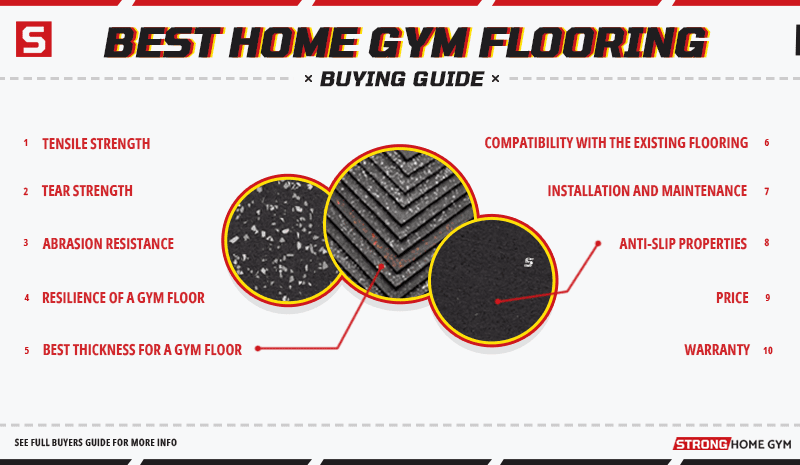
Creating a reliable best home gym flooring guide took months of hands-on testing, spec analysis, and expert feedback.
To bring clarity to an overwhelming market, we scored each product across four weighted criteria:
- Durability & safety (35%)
- Training compatibility (25%)
- Brand support & reviews (15%)
- Value for money (25%)
The result is a data-backed, experience-driven guide that’s regularly updated to reflect wear-and-tear feedback, pricing shifts, and new arrivals.
Whether you’re building a powerlifting corner in the garage or need shock-absorbing foam tiles for HIIT workouts, this scoring system helps cut through the noise.
Here’s a breakdown of each criterion and what it covers.
Durability & safety (35%)
This is the cornerstone of good gym flooring – how well the surface resists wear, supports heavy loads, and protects both equipment and joints.
It carries the most weight in our scoring because a floor that breaks down, slips, or degrades quickly puts your entire gym (and your body) at risk.
Durability of the gym floor - all the fuss made simple
The word “durability” has been thrown around in this industry like a rag doll until it’s lost all meaning.
Well, almost…
The team here at Strong Home Gym is on a mission to reverse the damage done by vague and unclear language.
In the context of gym flooring, that means looking at the quantifiable material properties.
4 crucial properties - tensile & tear strength, abrasion resistance, and resilience
1 - The tensile strength of a flooring material describes how much force it can take before breaking.
2 - Tear strength (or tear resistance) measures how the material reacts to tearing.
It’s instrumental in comparing rubbers because it shows how and when tears start (tear initiation) and what happens when it does (tear propagation). It’s expressed in Pounds per Linear Inch of PLI.
In plain terms, let’s say you drop a dumbbell, and it creates a micro-cut in the rubber - that’s tear initiation. If it’s in a high-traffic area, the tear propagation will result from walking over it.
3 - Abrasion resistance is pretty self-explanatory - it describes how a material handles scraping and rubbing.
Here’s the important part - abrasion resistance is a measurable, quantifiable quality _(commonly measured in loss of weight over time/cycles of use)._I’m mentioning this because you’d have to search far and wide to find rubber flooring that the manufacturer doesn’t describe as _“abrasion resistant.”_Most of them (manufacturers) hope you won’t ask what they mean by that.
Well, we’re asking!
An ice-cream cake is abrasion-resistant too…not very, but resistant still.
4 - Resilience of a gym floor
The simplest way to think about the resilience of a gym floor is in terms of elasticity.
It described how much force the floor can take without permanently (plastically) changing.
Think of it like this - if you drop a 100-lb dumbbell after a heavy incline press, a rubber mat will take it like a champ. Drop that on cork or vinyl tiles and it will maim the spot for good.
Do I have to be a nerd to choose good gym flooring?
You don’t, but we do.
To make recommendations we stand behind, we have to look at the data.
In those terms, this guide is the hardest I’ve ever had to write.
Sure, adjustable dumbbells are complicated, but the data is there, and it just takes more time to interpret.
With flooring, the data is scarce, scattered, and not uniform. Coming up with a way to compare the floors with minimal influence of opinion is next to impossible.
That’s why nobody in the home gym space is doing it.
But we tried to do just that.
You be the judge of whether we actually pulled it off.
An illustration of my point above - Regupol vs. EVA
Regupol has a tear strength of 70 PLI (minimum), and it can elongate about 150% before it breaks.
Its tensile strength is over 200 PSI (vulcanized rubber goes past the 1,000 PSI).
In comparison, the tensile strength of your average EVA foam tile is in the 15-45 PSI.
That should tell you everything you need to know if your dilemma is EVA or rubber/Regupol (even if you have no frame of reference).
Safety of the flooring material
Whatever you do, don’t let what I said about stall mats make you paranoid about the safety of rubber gym flooring.
The rule of thumb here is to read the fine print and find the part that explicitly says it’s approved for indoor use.
When I say safety here, I’m not talking about slipping and stubbing your toe, but about potential off-gassing. If the former is your concern, go with rubber or cork instead of the slippery options like vinyl.
Is the floor water-resistant or not?
You want a water-resistant (or at least water-repellent) floor in your gym for one main reason: maintenance.
That one reason is actually three-fold:
- Wiping the dust away easily.
- Not developing mold or mildew from the leftover water.
- Staving off the sweat smell.
The rubber floors that live at the sweet spot aren’t completely water-resistant because that would mean a slick surface with no traction (think vinyl).
If you’re going with something porous like cork, choose a floor with a water-repellent finish.
Anti-slip properties
I could launch a full-on tirade about the Pendulum test as a way to measure and quantify slip resistance, but nobody would read that.
Moreover, you can probably tell which floor will be slippery/grippy just by looking at them.
Here’s my advice - the more of a hardcore lifter you are, the more grip you’ll need, especially on heavy squats. Go with rubber and consider cork platforms.
Long story short - “anti-slip properties” is another category where rubber takes the cake.
Training compatibility (25%)
We look at how well the flooring supports different types of workouts – from dropping heavy weights to dynamic cardio.
This score reflects real-world versatility: the more training types a surface supports, the more useful it is in most home setups.
Best thickness for a gym floor
The best thickness for a gym floor is anything in the 0.25-0.75 inches (6-20mm) range, and Regupol Aktiv is a great example of that (comes in the 0.25-0.75 inches range).
You can find mats with 1.5 inch (40mm) thick or even more, but this is overkill for most home gyms… unless you are an elite powerlifter doing 700lbs deadlifts.
I won’t dwell too much here because the thickness isn’t an innate characteristic of the floors; it’s just a factor to consider based on your lifting routine.
It would also be an orange-to-apple comparison if we looked at all flooring, so we’ll just talk rubber.
I have three rules of thumb here:
- Never go for anything thinner than ⅓ of an inch.
- If you can imagine yourself dropping weights, your rubber floor should be at least 3/8 inches (10mm) thick.
- As long as the rubber is abrasion-resistant, you can’t go too thick.
Compatibility with the existing floor
This is a big one. If you get it wrong, it won’t matter if you paid 10 bucks per square inch for vulcanized rubber.
Here’s the good news - once you understand a few basic principles, it’s all straightforward.
So, I’ll take my time to make sure I cover all the bases.
Best gym flooring over concrete
If you’re covering concrete, go with thick rubber (at least 3/8) to even out the concrete imperfections.
If you lay the mats/tiles and you can still feel the concrete bulges, you’ll need an extra layer of sub-flooring like the FloorMuffler underlayment.
If that doesn’t work, the concrete is not flat enough for rubber, and you’ll need to switch it up to something stiffer, like vinyl.
Best over tile - rubber with a protective layer
Rubber and tile go well together, but if you’re going with anything thinner than 3/8, you’ll want to protect those brittle tiles with sub-flooring.
The sub-flooring will safeguard the tiles and eliminate the follow-through and the grout marks that might appear as the rubber sets in. Win, win.
Best over hardwood floors - rubber with a paper underlayment
Rubber over a protective layer of craft paper like Fortifiber to keep the rubber from transferring color onto the floor.
Best over carpet
If you’re covering a carpet, avoid rubber flooring, especially the rolls.
They will bunch the carpet up because the carpet-to-rubber grip is pretty much non-existent.
Go for raised interlocking PVC tiles like the StayLock Bump from Greatmats. They’re stiffer, so bunching won’t be an issue.
Brand support & reviews (15%)
Here we factor in warranty terms, customer feedback, and the brand’s track record in fitness gear.
A smaller weighting, but still important – especially when it comes to return policies or long-term satisfaction.
Installation and maintenance of gym floors
Installation is one of the factors I believe is over-hyped. You’re putting something into your home that will be a part of your daily life for years.
Whether it takes 4 or 6 hours is a non-factor if you ask me.
Even if you are that lazy, all the main options like rubber rolls, tiles, and mats are a breeze to install.
Cork and vinyl flooring might be tricky if you’ve never done it, but who cares…you’re crafting a space that should inspire and uplift. Invest the extra hours.
Just make sure it’s done properly - it needs to be flat, without lumps and bumps, which are a trip hazard.
If you aren’t a capable DIY’er, get a pro to lay your floor. You must get it right.
Warranty of the flooring
The better flooring options, like rubber or turf, typically come with a 5-year warranty.
With cork and vinyl, the warranty can go up to 10 years of “residential use.”
A home gym is technically residential use, but I don’t think weightlifting is what they had in mind when they defined the terms.
My two rules of thumb:
- Only go below 1-year if you’re paying less than $1.5 per square inch.
- A 5-year warranty is a solid indicator of quality in any price range.
Value for money (25%)
We weigh cost against lifespan, features, and performance.
Flooring that offers long-term performance without a sky-high price tag scores highest here.
Prices of gym flooring range from $0.75 for cheapo EVA tiles to over $10 per square inch for a premium standalone mat like the IncStores Thick mat.
My rule of thumb - if you’re going with our picks, expect to spend $3-8 per square inch (that includes flooring, adhesives, tapes, and whatnots).
Find the perfect flooring for your home gym
Best Overall | Rubber Tiles Pick | Premium Rubber Tiles | Stall Mat (Over Concrete) | Hardwood-Like Vinyl Rolls | Hardwood-Like Vinyl Tiles | Vinyl Rolls | Rubberized EVA tiles | Regular EVA foam tiles | Low-Pile Carpet Mats | Athletic Turf | Cork Tiles
Here’s how the twelve floors rank on our overall score:
Rogue Regupol Aktiv
Best Overall Gym Flooring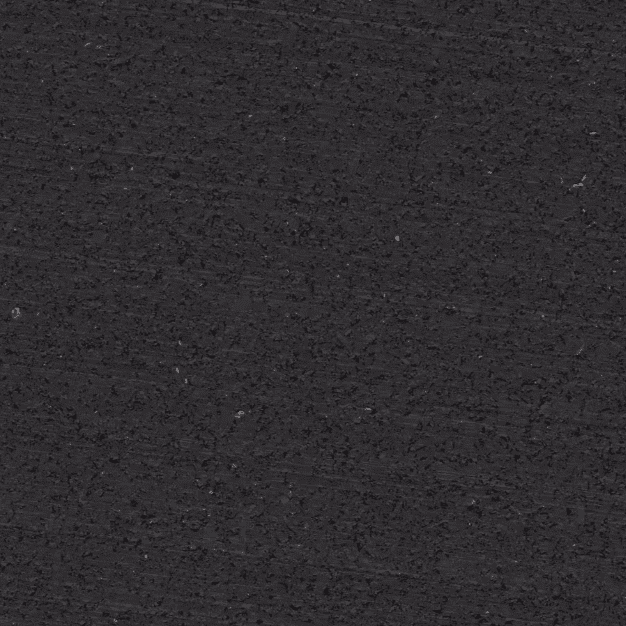
Quick specs
- Material: Rubber
- Thickness (”): 0.31 to 0.5
- Color options: Yes (fleck)
A dense, water-resistant rubber roll with best-in-class durability and cost efficiency – perfect for serious home gyms that see heavy lifting.
Summary of experience, tests & opinions
Main praises - what I like
- Withstood repeated barbell drops and heavy use without visible wear, thanks to its high tear strength and slip-resistant surface.
- Easy to cut and install, and stays flat with minimal curling – no glue needed for most setups.
Main grievances - what could be better
- Comes in 200 sq ft minimum, which might be overkill for small home gyms.
- Rolling it out in tight spaces can be tricky if your gym is already set up.
Pros & cons
Pros
- Exceptionally durable and dense – Handles heavy lifts and high traffic without tearing, thanks to its high tensile strength and density.
- Slip-resistant and safe – Maintains traction in both dry and wet conditions, reducing injury risk during dynamic movements.
- Low-maintenance fleck pattern – Hides dust and dirt well, requiring less frequent cleaning compared to solid-colored flooring.
- Cleaner look, easier install – Fewer seams than tile-based options, and heavy enough to lay flat without adhesive.
Cons
- 200 sq ft minimum order – Not ideal for smaller home gyms or partial flooring needs.
Read more about the Regupol Aktiv Flooring Rolls
Regupol Aktiv is our top pick, both overall and in the rubber-roll category.
No other flooring solution embodies the “PROs” of rubber rolls better.
It’s based on the German-made Regupol flooring that’s been around for decades and adapted to meet the challenges of a “fitness cave” better. It’s denser and more resilient, slip and wear-resistant in both wet and dry conditions.
Last but not least, it’s about 2 times cheaper than most of the similar options within the “roll” category (and 3 to 5 times if we include the rubber tiles).
Let me clarify that
The only accurate way to compare prices is to calculate the rubber volume. That removes the thickness from the equation (and the different thicknesses are causing confusion).
So, we did that here.
Instead of trying to wrap our heads around the halves and three-eighths, we did the math and looked at the price per cubic foot.
Among the Regupol competitors, a few stand out.
For our purposes, it’s enough to look at the two main ones - the American Floor and the Inc. Store rubber rolls.
If you get it through the Rogue website, the cost of Regupol Aktiv is $4-6 per cubic ft.
For most of the main competitors, that range is $13-16.
The closest alternative is the Great Mats rolls. These can be either black or 10% color and cost 3 times more than Regupol.
What it means for you
The cost of 200 square feet of ⅜-inches thick Regupol with 20 % color fleck will be under $500. (*)
At the same thickness and color percentage, Regupol’s main competitors will set you back at least twice as much.
Caveat if your home gym is smaller than 100 square feet…
The one downside is the 200 square feet minimum for Regupol Aktiv.
This is only a CON if your gym is under 100 square feet because you can get one roll from the competitors instead of two Regupol rolls.
Even in this scenario, the cost of Regupol still wouldn’t be higher; you’d just have to order more than you need.
You can then sell it or keep it.
If I were you, I’d hang onto the extra roll and replace the flooring in, say, 5 years. That’s like finding money in an old pair of jeans.
The one option that should make more financial sense here is the Geneva flooring from Great Mats, but I’m not sure that it does because their roll calculator is confusing.
I contacted them about this, and I’ll update this section with new info once they get back to me. For now, we’re putting a pin in it.

*Price at the time of completing this guide. We stay on top of things and update our guides regularly, but we can’t guarantee that these are the actual prices.
That all-round balance puts it top of our overall score:
Bottom line
Regupol Aktiv is the go-to choice if you’re outfitting a full-fledged home gym and don’t want to deal with tile seams or odors.
It’s dense, durable, and delivers outstanding value per cubic foot.
Unless your space is tiny or ultra-compact, this is the floor you get once and forget about for a decade.
AktivLok Black Rubber Regupol
Rubber TileQuick specs
- Material: Rubber
- Thickness (”): 0.375 (3/8)
- Color options: Yes (fleck)
A top-notch interlocking tile that delivers the durability of Regupol rolls in a more modular, DIY-friendly format.
Summary of experience, tests & opinions
Main praises - what I like
- Puzzle-style interlock – Tiles lock cleanly and securely without adhesive, great for quick installs or future layout changes.
- Solid underfoot feel – Offers comparable density and support to full-size Regupol rolls, making it ideal for lifting areas.
- ASTM-compliant slip resistance – Performs well in dry and moderately damp environments.
Main grievances - what could be better
- Solid black finish shows everything – Sweat marks become visible quickly, demanding more frequent cleanups.
- Slightly pricier than full rolls – Cost per square foot is higher compared to bulk Regupol Aktiv.
Pros & cons
Pros
- Easy no-glue install
- Great for partial floor coverage
Cons
- Solid black shows dirt fast
Read more about the AktivLok Black Rubber Regupol
It came down to two options in this section: the less popular and more budget-friendly Aktivlok tiles made of the same stuff as the Regupol rolls and the more popular (and more expensive) tiles from American Floor Mats.
I’m giving the laurels as best overall to the former because of the value for money. The price per square foot is similar to rolls and slightly higher than stall mats.
The material is recycled rubber bonded with a polyurethane binder to create a slip-resistant, non-porous surface that’s easy to clean.
That’s just what the doctor ordered for garage gyms.
The downside of this specific tile is the color - it’s pitch black. It might not sound like a real problem now, but once those droplets of sweat start forming white areas, it’s not pretty. It’ll mean you’ll have to stay extra vigilant when it comes to cleaning.
So, if you’re sure that the gym is there for the long haul and you want tiles, splurge on a tile with some color in it. The same tile with some nice fleck in it costs about 15% more, and it’s totally worth it.
Second only to the Rogue overall, it earns its place near the top of our durability chart:
Bottom line
If you want top-tier gym flooring but hate dealing with full rubber rolls, AktivLok is the sweet spot – interlocking tiles that feel and perform like commercial-grade rubber, minus the installation drama.
Just go for a flecked version unless you’re a neat freak or love mopping.
American Floor Mats
Premium Gym Flooring PickQuick specs
- Material: Rubber
- Thickness (”): 0.375
- Color options: Yes (fleck)
American Floor Mats Fit‑Lock delivers a premium feel and durability at a mid‑range price, without breaking the bank.
Summary of experience, tests & opinions
Main praises - what I like
- Reset the layout in minutes – when we shuffled the rack and bench around the test space, lifting and re-seating individual tiles took no time and left no gaps.
- Aired out fast in a closed room – sat in a windowless basement bay and the smell faded within days, where cheaper mats lingered for weeks.
Main grievances - what could be better
- First row fights you – the locking tabs are tight enough that we reached for a rubber mallet to seat the opening run.
Pros & cons
Pros
- Dense rubber with a strong interlocking grip
- Low odor, indoor-friendly formulation
- Feels solid and durable under heavy equipment
Cons
- Pricey for large-area coverage compared to rolls
Read more about the American Floor Mats Fit-Lock
The American Floor Mats Fit-Lock system is the tile to buy when you want commercial-grade rubber but can’t face wrestling a 200-square-foot roll into a finished room.
This is the pick for renters, for anyone working around an awkward floorplan, and for lifters who expect to rearrange the rack and bench every few months. The 3/8-inch dense rubber feels firm and planted under heavy gear, and the precision-cut interlock edges let you pull a single tile and reset the layout without dismantling the whole floor. Skip it if you’re flooring a large open garage in one shot, because the cost per square foot climbs fast at scale and a roll will serve you better there.
Its nearest rival on this list is the AktivLok Regupol tile, and the trade-off is real. AktivLok wins on value per square foot and offers a flecked finish that hides sweat marks; Fit-Lock counters with a noticeably lower rubber odor out of the box, which matters a lot in a closed basement room with no airflow. Where the cheaper Extreme Mega stall mat off-gasses and feels industrial, the team found Fit-Lock genuinely formulated for indoor air, and the interlock means no curling edges to trip over.
One honest install note from our community: the locking tabs are tight by design, so the first row takes patience and a rubber mallet helps. Once they’re seated, though, they stay put under dropped dumbbells and rolling cardio kit without shifting.
No floor in this roundup tests better for training compatibility, and the scores back that up:
Bottom line
Fit‑Lock hits a sweet spot: it provides solid, non‑slippery coverage that resists wear and tear without the premium price tag.
If you’re after a reliable tile solution for mid‑sized home gyms, it’s a dependable choice – just don’t expect the tank‑like durability of high‑end heavy‑duty rubber.
Extreme Mega Rubber
Best Over-Concrete FlooringQuick specs
- Material: Rubber
- Thickness (”): 0.375
- Color options: Yes (fleck)
A heavy-duty stall‑style mat that delivers industrial toughness, but you pay a premium for indoor-safe quality.
Summary of experience, tests & opinions
Main praises - what I like
- Didn’t stink out the room – set one in a closed bay and it never gave off the tire-shop smell we get from farm-supply stall mats.
- Shrugged off a fixed drop zone – we hammered the same spot with loaded drops and the surface showed no dishing or pitting.
Main grievances - what could be better
- A genuine two-person carry – the dead weight made hauling it upstairs and flipping it into place a real chore.
- No way to nudge the layout – with no interlock, repositioning means lifting the whole slab rather than a single tile.
Pros & cons
Pros
- Vulcanized rubber construction – robust and wear‑resistant.
- Specifically indoor-rated – engineered for indoor air safety.
- Low-maintenance surface – easy to clean, non-porous.
Cons
- Pricey investment – significantly more expensive than rubber tiles or rolls.
Read more about the Extreme Mega Rubber Floor Mat
If you want the rugged look of a stall mat without the health worry, the Extreme Mega Rubber mat from Inc. Stores is the one I reach for. The key difference from the stall mats stacked at the farm-supply store is that this one is explicitly labeled safe for indoor use, so you’re not breathing in the off-gassing that makes a closed home gym feel like a tire shop.
The thick vulcanized rubber also makes it my top pick for flooring over bare concrete. At 3/8 of an inch it has enough heft to ride over minor slab imperfections, and unlike a thin tile it won’t telegraph every bump underneath. This is the mat for the lifter who drops loaded barbells in a fixed platform area and wants a floor that simply will not flinch.
Who should skip it? Anyone covering a large room or a renter who expects to move. These mats are heavy and bulky, so dragging them up a flight of stairs is a two-person job, and they don’t interlock the way the Fit-Lock or AktivLok tiles do.
That brings up the real head-to-head on this list: Extreme Mega versus Regupol Aktiv. Regupol gives you comparable durability in a lighter, easier-to-handle roll for a fraction of the cost per square foot, roughly a third of what the Extreme Mega runs. You’re paying the premium here purely for that dense, immovable stall-mat feel and the indoor-safe formulation, so only spend it if those two things are what you’re after.
A respectable mid-table position overall, but value is where you’ll feel the difference:
Bottom line
If you’re looking for a gym floor that combines stall‑mat thickness with indoor-safe quality, the Extreme Mega delivers on toughness and safety.
Yes, you pay a premium – but you’re paying for peace of mind and performance. Just be prepared for the challenge of moving and installing something this heavy-duty.
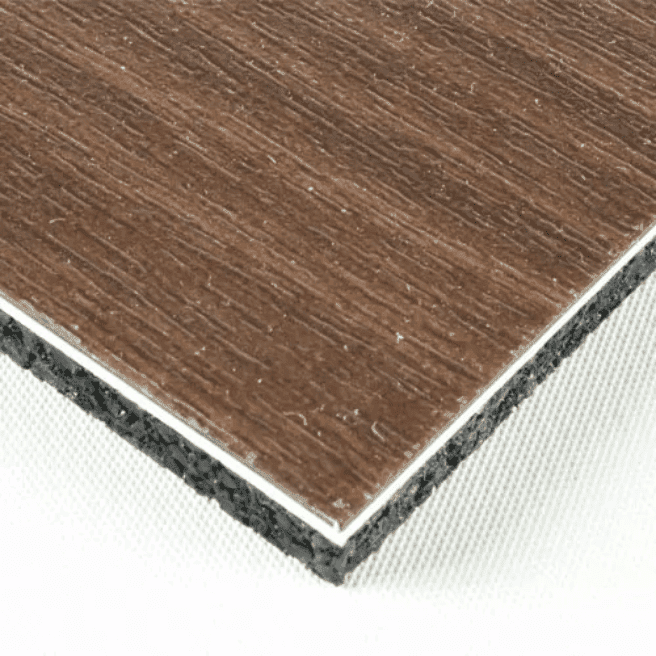
Athletic Vinyl Padded Roll
Hardwood-like Vinyl FlooringQuick specs
- Material: Vinyl
- Thickness (”): 0.28
- Color options: Yes (6)
An ideal gym-flooring roll for concrete surfaces that combines durability with a cushioned feel, minus the flashy colors.
Summary of experience, tests & opinions
Main praises - what I like
- Warmer to stand on than rubber – through a long machine-based session on a cold slab, the padded backing took the chill off in a way bare rubber never did for us.
- Rolled flat without curling – laid the run out over concrete and the edges settled within a day, no weighting-down needed.
Main grievances - what could be better
- Pick the tone before you commit – graphite is effectively it, so we had to live with a muted look rather than match the room.
- Marks under sharp edges – sliding a loaded plate across it left a scuff that a dense rubber roll would have shrugged off.
Pros & cons
Pros
- Concrete-friendly cushioning – protects joints and evens out flooring imperfections.
- Robust vinyl wear layer – capable of handling repetitive drops and machine movement.
Cons
- Monochrome choice – limited to utilitarian color tones only.
Read more about the Athletic Vinyl Padded Roll
Along with the rubber options, this is easily the best gym flooring if you’re covering concrete. The cushioned vinyl roll has a padded backing with enough heft to balance out the bumps in a slab, so you get the joint relief of foam with a wear layer that won’t compress to nothing.
This one suits the lifter who trains on concrete and runs a mix of barbell work and machine-based sessions but doesn’t make a habit of dropping loaded bars from height. Choose it over the thinner Metallic PVC vinyl rolls and the difference is night and day: the PVC roll lays flat over a smooth slab but does nothing for cushioning or for hiding imperfections, whereas this padded roll actually does both. The flip side of that head-to-head is wear, since vinyl can still scuff under a sharp-edged plate where a dense rubber roll would just bounce.
Compared with Regupol, the trade is feel for protection. Regupol gives you a harder, more drop-proof surface; this vinyl roll gives you a softer, warmer step that some people simply prefer underfoot for long standing sessions.
Color is the one place it stays utilitarian. Graphite is essentially your only option, which is fine if you’ve nurtured the heavy-duty look for years. If your gym shares space with the rest of the house, check what the muted tone looks like against the room before you commit a full roll.
Solid backing from both the brand and buyers keeps it competitive on brand support:
Bottom line
This one is a solid pick for concrete gym floors, bringing together cushioned comfort with rugged resilience.
It may not add flair to your décor palette, but it delivers steady performance and joint protection. A smart choice if practicality tops style in your gym setup.
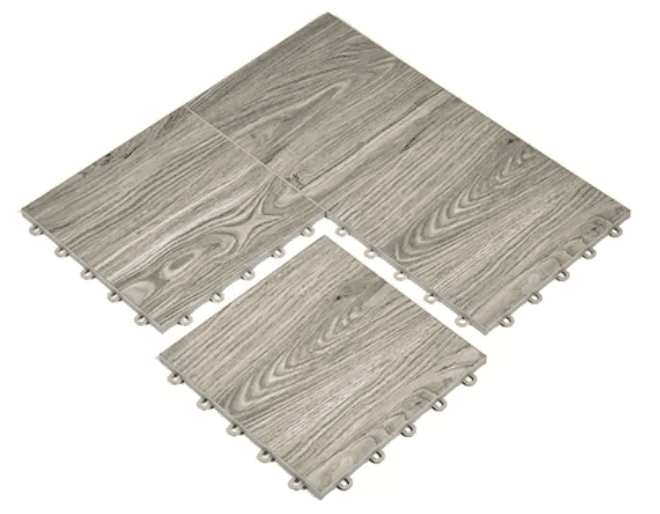
Max Raised Floor Tiles
Hardwood-like Vinyl TilesQuick specs
- Material: Vinyl
- Thickness (”): 0.625
- Color options: Yes (6)
Elevate your home gym aesthetics with modular, US-made floor tiles that blend seamlessly into open-concept spaces.
Summary of experience, tests & opinions
Main praises - what I like
- Read as finished flooring, not a mat – dropped into an open-plan room and visitors didn’t clock it as gym kit, which is the whole point.
- Air gap shrugged off a damp slab – the raised base kept the underside dry in a basement bay where we wouldn’t risk carpet.
Main grievances - what could be better
- Square rooms only, really – fitting it around an angled wall left us trimming tiles and still chasing small gaps.
- Height without give – the tall profile is rigidity, not cushion, so a dropped kettlebell lands with a hard crack.
Pros & cons
Pros
- US-made quality – reliable manufacturing and durable materials.
- Simple to reposition – easy to lift individual tiles without dismantling the whole floor.
Cons
- Limited impact protection – not ideal for heavy-weight drops or high-impact training.
Read more about the Max Raised Floor Tiles
If you have an open-plan home and the gym corner needs to blend into the rest of the floor, you’ll want something like these raised vinyl tiles from Great Mats. Out of the handful of products in the category, they stood out as the US-made option that doesn’t break the bank and uses modular installation notches.
In plain English, those are the little black tabs on the edges that lock in place but lift out again easily when you want to move or replace a single tile. The raised base also leaves an air gap underneath, which is exactly why these work over a basement slab that occasionally gets damp, where you’d never lay carpet or cork.
This tile suits the person building a tidy, multi-use room: light dumbbell work, a cardio machine, maybe a desk in the corner. At 0.625 of an inch it sits taller than most tiles on this list, but that height is structural rigidity, not cushioning, so heavy kettlebell or barbell drops are off the menu.
The natural rival here is the Max Tile against the AktivLok rubber tile. AktivLok is the one to buy if you actually lift heavy and want drop protection; Max Tile wins purely on looks and on matching a hardwood-style room, since it reads as finished flooring rather than a gym mat. Pick based on whether the priority is impact protection or blending in, because no tile does both well.
The raised-tile design holds its own for everyday wear, landing mid-pack on our durability scale:
Bottom line
Max Raised Floor Tiles are a smart aesthetic and practical choice for open-concept home gyms, offering modular flexibility and a clean finish.
They don’t sacrifice quality for convenience – just don’t expect them to cushion heavy kettlebell drops.
Metallic PVC Vinyl Rolls
Vinyl Rolls Flooring
Quick specs
- Material: Vinyl
- Thickness (”): 0.1
- Color options: Yes (4)
Ideal for non-aggressive lifters seeking a clean, low-maintenance gym flooring option that mimics hardwood without the bulk of rubber.
Summary of experience, tests & opinions
Main praises - what I like
- Held up in a damp basement – left a run down over a season in a humid below-grade room and saw no mold creep or curling at the seams.
- Grippier than it looks – the diamond-plate texture kept our feet planted through bodyweight circuits, no slipping in socks.
Main grievances - what could be better
- Every ripple shows through – laid over a slightly uneven slab, the thin roll telegraphed each bump rather than hiding it.
- Marks easily – dragging a bench corner across it left a visible scuff that wouldn’t buff out.
Pros & cons
Pros
- Elegant appearance – adds a polished look to home gyms or shared living spaces.
- Easy to install rolls – no glue required, simple to lay out and trim.
Cons
- Minimal cushioning – not suitable for heavy lifting; use only if you never drop weights.
Read more about the Metallic PVC Vinyl Rolls
If you just want to freshen up the look of a room, the metallic PVC rolls are the most budget-friendly option in the vinyl category. They’re thin, usually around a tenth of an inch, easy to roll out and trim with a sharp knife, and they look genuinely sharp, especially the silver diamond-plate finish that gives a corner that workshop vibe.
The catch with that thinness is that it’s the defining limitation, not a footnote. At a tenth of an inch there’s effectively zero cushioning, so this is flooring for someone who never drops a weight: a treadmill nook, a stretching corner, or a display gym that’s more about the photo than the deadlift. If your training involves loaded barbells, walk straight past it.
It’s worth setting against the Athletic Vinyl Padded Roll, which is the other vinyl roll on this list. That one carries a padded backing that absorbs impact and evens out a slab; the Metallic PVC has neither benefit. Lay it over bumpy concrete and every ripple telegraphs straight through, because the roll simply drapes over whatever is beneath it.
Where it does earn its keep is grip and upkeep. The textured PVC offers surprisingly good rubber-like traction underfoot, and it wipes clean in seconds while shrugging off water, mold, and the odd chemical splash, which makes it a reasonable shout for a basement or attic that stays dry.
PVC vinyl earns its best marks for training compatibility among the lower-ranked picks:
Bottom line
The Metallic PVC Vinyl Rolls offer a sleek and clean flooring solution for those who prioritize aesthetics and easy upkeep over performance.
They’re perfect for lightweight workouts or display gym setups, but fall flat under heavy weight drops or high-intensity training.
If you treat your vinyl right, it’ll look good – but don’t expect it to stand up to serious gym use.
Rubber-Top SUPERJARE
Rubberized EVA TilesQuick specs
- Material: EVA (Ethylene Vinyl Acetate)
- Thickness (”): 0.56
- Color options: Yes (fleck)
These tiles blend a soft foam base with a thin rubber top layer, providing comfort and a cleaner aesthetic without the harshness of plain EVA.
Summary of experience, tests & opinions
Main praises - what I like
- Rubber face shrugged off our shoes – walked across it in trainers for weeks and the top stayed unmarked where bare foam would have dented and scuffed.
- Passed the visitor test – the flecked surface looked enough like proper flooring that nobody mistook the room for a kid’s play mat.
Main grievances - what could be better
- Caves where you can’t see it – after a few accidental drops the surface held but the foam beneath went spongy in spots, with no way to firm it back up.
- Edges lift in traffic – on the busiest line the thin rubber skin started peeling away from the foam at the seams.
Pros & cons
Pros
- Softer underfoot – ideal for stretching, yoga, or core-focused sessions.
- Tidier look – cleaner aesthetic than thick foam for shared or display gym spaces.
Cons
- Limited heavy-use durability – not suitable for serious weight-dropping zones.
Read more about the Rubber-Top SUPERJARE Tiles
Picking the best EVA tile is a bit like settling for “don’t drink and drive” instead of “don’t drink at all.” EVA was never built for a serious gym, so the SUPERJARE earns its spot by being the least compromised version of a compromised idea. The trick is a thin rubber wear layer bonded over a soft foam core, which gives a cleaner, tougher top than bare foam.
This tile suits someone setting up a low-impact zone: stretching, yoga, pilates, kids tumbling around, or accent padding beside a machine. At roughly half an inch thick it’s plush and forgiving underfoot, and the flecked rubber face looks tidier than the cartoon-bright foam squares you see in a kid’s playroom. Anyone planning to drop loaded dumbbells should skip it entirely.
Here’s the honest material limit. The rubber skin isn’t thick enough to protect the foam beneath a dropped weight, so the floor develops weak spots: the surface stays intact while the structure underneath quietly caves. Once that happens the tile feels spongy in patches and there’s no fixing it.
Set it against the ProSource Fit foam tile, the other EVA pick on this list, and the choice gets clear. ProSource is thicker, cheaper, and certified phthalate-free, so it wins on raw value and pure cushioning for a play area; the SUPERJARE trades some of that thickness for a more durable, better-looking rubber top that holds up in a room people actually see. Buy the SUPERJARE when looks and surface wear matter, the ProSource when budget and softness do.
A workable rubber-top option with an honest mid-table overall score:
Bottom line
The Rubber-Top SUPERJARE tiles offer a cozy, cleaner alternative to plain foam flooring, perfect for yoga, pilates, or as accent padding.
They outperform standard EVA in durability and appearance, but aren’t built for heavy lifting – use them away from impact zones.
If comfort over utility is your priority, they’re a smart middle-ground pick.
ProSource Fit Tiles
Regular EVA Foam TilesQuick specs
- Material: EVA (Ethylene Vinyl Acetate)
- Thickness (”): 0.75 to 1
- Color options: Yes (3)
These EVA puzzle tiles stand out in their price range for being extra thick, phthalate-free, and reliably consistent.
Summary of experience, tests & opinions
Main praises - what I like
- Tiles actually matched each other – every piece in the pack came the same height and density, so the puzzle edges met flush with no proud seams to catch a toe.
- Forgiving for floor work – the full-thickness foam made plank holds and kneeling drills easy on the joints over long sessions.
Main grievances - what could be better
- Skates under lateral drills – quick side-to-side footwork nudged the locked tiles apart, leaving us re-seating seams mid-session.
- Dents and holds it – a dropped kettlebell left a permanent compression mark the foam never sprang back from.
Pros & cons
Pros
- Budget-friendly comfort – thick enough for stretching, yoga, or kid-friendly gyms without breaking the bank.
- Safe and reliable – certified phthalate-free, easing health concerns for home use.
Cons
- Low structural support – don’t expect rigidity or protection under heavy equipment or weights.
Read more about the ProSource Fit Extra Thick Puzzle Tiles
ProSource Fit makes what’s probably the most popular EVA tile on the market, and the reason is refreshingly simple. In its price range it’s thicker than the competition and certified phthalate-free, so you get more cushioning and one less thing to worry about for a home with kids underfoot.
That’s a low bar to limbo, but there you have it: cheap, genuinely consistent thickness and density, which is far from a given with budget EVA, safe, and decent at staying put once the puzzle edges are locked. At three-quarters of an inch to a full inch these are the thickest tiles on this whole list, and that depth is exactly what makes them forgiving for floor work.
Who’s it for? The person fitting out a yoga corner, a stretching mat, a kid’s play zone, or a temporary setup in a rented room. Who should skip it? Anyone planning to lift heavy, because EVA compresses under a loaded rack and offers no real drop protection.
The natural comparison is the ProSource against the Rubber-Top SUPERJARE, the other foam pick here. ProSource wins on price, sheer thickness, and pure softness; the SUPERJARE counters with a rubber wear layer that looks tidier and resists surface scuffing better. If your priority is the most cushion per dollar, the ProSource takes it; if you want a foam tile that looks the part in a visible room, lean SUPERJARE.
Runs away with the value chart, the highest value-for-money score in the whole roundup:
Bottom line
The ProSource Fit Extra Thick Puzzle Tiles offer excellent value for anyone looking to cushion low-impact workouts or play areas without worrying about toxins.
They deliver consistent installation and comfort, though they’re no match for heavy lifting zones.
Perfect for stretching, yoga, or kid-friendly gyms, but skip if you need durable flooring under a barbell rack.
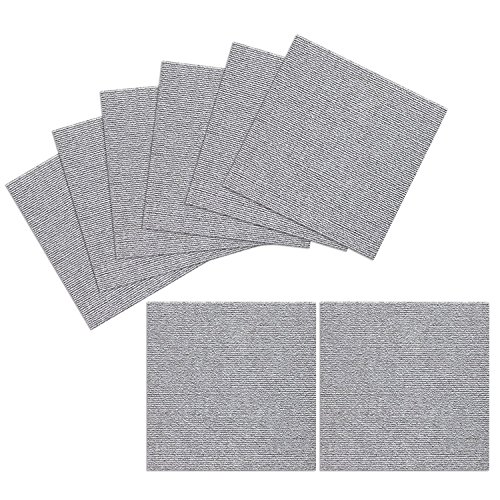
Triluc Carpet Mats
Best Carpet PickQuick specs
- Material: Carpet
- Thickness (”): 0.13
- Color options: Yes (4)
These easy-to-install, low-pile carpet tiles add a homey look to your gym, though they’re not cut out for heavy lifting.
Summary of experience, tests & opinions
Main praises - what I like
- Mixed colors into a real pattern – laid two tones in a checker across the corner and it looked deliberate rather than like a gym mat.
- Quiet underfoot – the pile hushed footfall and machine hum noticeably more than any hard tile we tried.
Main grievances - what could be better
- Held the sweat smell – once moisture worked into the pile, the corner kept a faint odor that airing out didn’t fully clear.
- Slid under quick feet – the low pile gave no grip for lateral drills, so the tiles crept apart during anything dynamic.
Pros & cons
Pros
- Machine‑washable convenience – peel off, toss in the wash, and stick it back down.
- Water-repellent surface – helps protect against minor spills (but not full waterproofing).
Cons
- Weak under heavy use – low pile and thin cushion offer no real protection for dropped weights.
Read more about the Triluc Carpet Mats
There’s really one reason to put carpet in a home gym: you want to keep the room looking like part of the house rather than a warehouse. No judgment here, plenty of people train better in a space that doesn’t feel like a punishment cell.
The Triluc tiles earn the carpet slot on convenience. They’re peel-and-stick, so you press them down, and if one gets grubby you lift it, machine-wash it, and stick it back, which is a genuinely nice trick no other floor here offers. They come in a handful of colors you can mix, and the water-repellent face fends off minor spills, though it’s not waterproof.
You’ll see carpet sold as shock-absorbent, but that’s mostly moot. At an eighth of an inch this low pile is far too thin to protect the subfloor from the kinetic punch of a dropped plate, so it’s there for looks and light use, not impact.
This suits the person parking a treadmill, elliptical, or yoga mat in a finished room. It does not suit the lifter who drops weights. Against the Classic Mules cork tiles, the other “keep it homey” option on this list, the split is clean: cork brings real joint cushioning and sound deadening for an apartment, while Triluc wins on color choice and that wash-and-replace simplicity. The catch is that carpet’s porous pile soaks up sweat and can hold odor, where a sealed cork surface sheds it.
Carpet tiles sit lower overall, but the brand-support score reflects genuine buyer satisfaction:
Bottom line
Triluc carpet tiles are perfect if you want a stylish, low-maintenance surface for light activity or cardio machines – but they fall short for weightlifting.
Their easy installation and vibrant color options make them a nice visual addition, but don’t expect them to handle barbell drops or heavy training.
Ideal for aesthetic-focused setups, not iron temples.
Performance Turf Rolls
Athletic TurfQuick specs
- Material: Artificial turf
- Thickness (”): 0.375
- Color options: No
Performance turf rolls offer a smooth, functional surface for sleds and dynamic training, with easy installation and minimal maintenance.
Summary of experience, tests & opinions
Main praises - what I like
- Low-profile and sled-ready – perfect for pushing sleds or doing rope work without tripping hazards.
- Durable and wrinkle-resistant – solid material quality and installation hold up well under repeated movement.
Main grievances - what could be better
- Limited weight protection – too thin to shield the floor from heavy drops or barbells.
- Niche in purpose – best for dynamic training, not for full-spectrum lifting setups.
Pros & cons
Pros
- Cut-and-go installation – roll easily trims to size without professional help.
- Budget-friendly alternative – cheaper than thick, gym-specific turf options.
Cons
- Minimal floor protection – not suited for heavy-duty lifting zones.
Read more about the Performance Turf Rolls
I love artificial turf.
I have a strip in my gym as well…
But if you’re looking at turf as an option for a home gym, you’re either lucky enough to have the space for sleds. Or you’re looking to add some oomph to a uniform floor.
All the top picks I considered in this category come from Great Mats or Rubber Flooring Inc.
That’s because most turf options advertised as gym-friendly are too thick.
If you’re going with turf for practical reasons (like pushing sleds or jumping rope), I’d go with something like the Performance turf rolls.
They come in easy-to-cut rolls (duh) and install easily.
The profile is low enough to sled and rope-friendly.
It costs less than most fitness-dedicated alternatives.
I’ve seen very few reports of permanent wrinkles (a common issue I’ve seen with lesser turfs).
You can see the flooring in action (or under action) in the short video below:
Purpose-built for hard use, turf leads the back half of the roundup on durability:
Bottom line
Performance turf rolls are a smart choice if your workouts revolve around sled pushes, agility drills, or rope exercises – they deliver smooth training and straightforward installs.
But if your routine includes heavy lifting or weight drops, you’ll want extra protection beneath.
Ideal for trainers who need movement-friendly flooring, not ironclad defense.
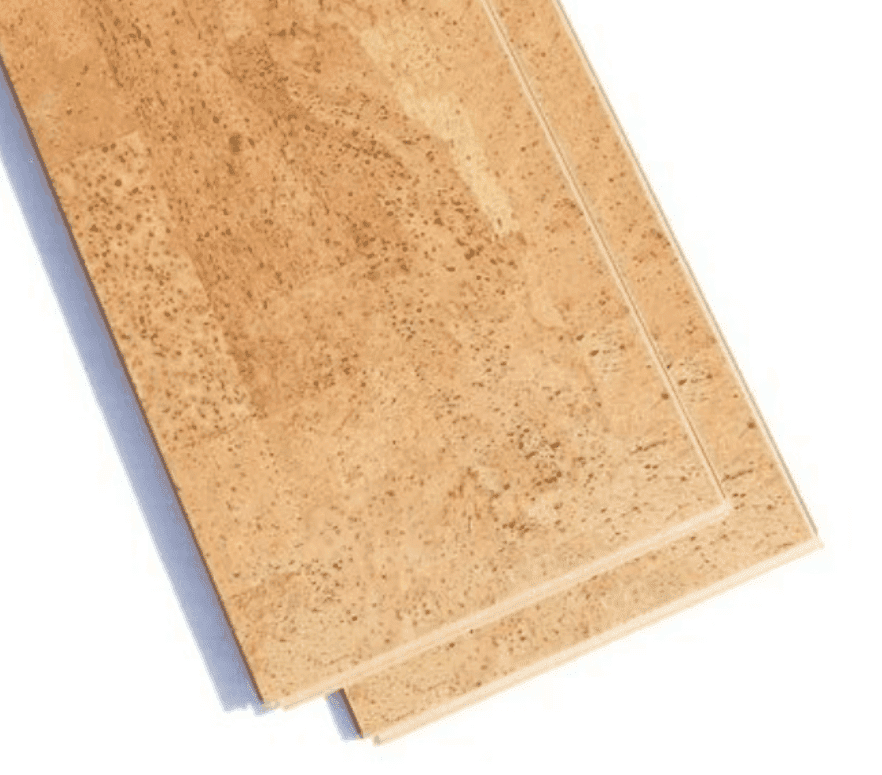
Classic Mules Cork Tiles
Cork Tiles PickQuick specs
- Material: Cork
- Thickness (”): 0.375
- Color options: No
These cork tiles offer a stylish, joint-friendly flooring option with natural insulation and a unique aesthetic vibe.
Summary of experience, tests & opinions
Main praises - what I like
- Saved us a noise complaint – jumping and box-step work that would have thundered through a slab barely registered downstairs on cork.
- Springs back from agility work – after months of high knees and shuffle drills the surface showed no permanent flattening.
Main grievances - what could be better
- Drink the sealant warning seriously – an unsealed offcut soaked up a sweat puddle and stained within a single session.
- Cracks under iron – one careless dumbbell drop chipped the surface in a way that doesn’t repair.
Pros & cons
Pros
- Environmentally conscious – made from sustainable cork with minimal processing.
- Warm and quiet feel – pleasant underfoot and reduces gym noise levels.
Cons
- Needs protective finish – without a seal, it’s susceptible to staining and moisture damage.
Read more about the Classic Mules Cork Board Tiles
If cork is on your shortlist for a gym floor, we can be friends. It’s not as practical as rubber, but it carries a warm, natural character that no other floor on this list can match, and there’s a real case for it beyond looks.
Apart from the subjective charm, cork brings genuine engineering upsides:
- Durable - the springy cell structure absorbs millions of jumping jacks and high knees without flinching.
- Flexible - that bit of natural give makes it noticeably easier on the joints for bodyweight and agility work.
- Safe - cork’s natural properties let it into your home with very little chemical treatment.
- A natural sound insulator - if you train in an apartment, the noise damping is a tremendous plus for keeping the peace with neighbors.
So who’s it for? The apartment dweller doing bodyweight circuits, mobility, and quiet cardio who wants comfort and silence over raw toughness. Who should skip it? The barbell lifter, full stop. Cork is porous, so without a water-repellent sealed finish, sweat and spills soak straight in and stain, and even sealed it can’t take a loaded plate drop.
The honest head-to-head is cork against the SUPERJARE rubber-top EVA tile, since both target the soft, low-impact, easy-on-the-joints crowd. The SUPERJARE is cheaper, fully synthetic, and shrugs off moisture out of the box; cork wins on sound insulation, that natural eco-friendly material, and a finish that reads as real flooring rather than gym foam. Pick cork when the room is shared living space and noise matters; pick the foam tile when budget and moisture resistance lead.
Cork brings a different material entirely, finishing at the foot of value but standing apart on sustainability:
Bottom line
Cork board tiles bring a warm, natural feel to your home gym, ideal for bodyweight workouts and quiet training spaces.
They cushion movement and dampen sound beautifully, but won’t hold up to heavy barbells unless sealed.
If you’re after aesthetics, eco-friendliness, and impact protection, and not after iron-clad durability, these deliver in style.
How we created this list of best home gym flooring options
Here are our criteria on how we picked these home gym flooring options, and what we looked for when making decisions:
- Durability & safety (35%)
- Training compatibility (25%)
- Brand support & reviews (15%)
- Value for money (25%)
You can find out all about our selection process here.
Other gym flooring options we analyzed
The close but no cigar section of the home gym flooring guide is dedicated to the products that didn’t make it to our top 12.
We’ve split this section into a few “bite-size” chunks.
Rubber gym flooring - other products we looked at
I’d say that the most relevant part here is the list of rubber gym flooring, because it’s our preferred option and the competition within the category is fierce (especially among tiles).
In other words, the margins between these floors and our top picks are slim. Eight times out of ten, it came down to the pricing.
I’ll try to keep it short and sweet by mentioning 3-5 alternative options in each sub-category.
- Great Mats rubber flooring rolls - these rolls were supposed to be the budget pick up the rubber-roll category. They’re not cheaper than the regular Regupol Aktiv, and you don’t have to get 200 square meters as you do with Regupol. Still, this product didn’t make it to the top picks because the spacing calculator on their website is confusing, and I’m still waiting for a reply from their customer service about it. I’ll update this section accordingly.
- IncStores Regrind Rubber gym flooring rolls - a solid product in for the thickness options. It’s not, however, widely popular, and I can tell why that just by looking at the price per square meter and cubic feet – the former is about twice that of Regupol, and the latter is three times higher. Gotta do better in today’s flooring market.
- Heavy Duty Rubber Rolls by American Floor Mats - another recycled rubber option that has no real chance of making it to the top because of the premium price point.
- Tractor supply stall mats - if it’s not clear by this point in the guide, I’m not a fan of stall mats because I see them as a serious health hazard for the confined space of the home gym. Even if that wasn’t the case, the battle for the budget rubber option would be touch and go.
Other interlocking rubber tiles we reviewed
The subsections of interlocking flooring tiles are the most crowded. That goes for all tiling options - from rubber and foam tiles to carpet tiles.
Let’s look at a few products that almost made it to the top in the rubber floor tiles category.
-
IncStores 3/8 Inch Thick Versa-Lock Rubber Interlocking Floor Tiles - again, great product with a well-thought-out interlocking pattern that had no real chance in our value-centric models.
-
Plae Achieve - Plae rubber mats and tiles are probably an overkill for an average home gym. Going into detail about it deserves a separate guide, so I won’t do it. It’s the hefty price tag that kept it out of our top recommendations.
-
Rubber King interlocking tiles - a great rubber tile that is universally loved by customers. Too expensive for our taste, though.
Foam flooring - other foam tiles and foam mats we considered
- Xspec rubber-top Eva foam tiles - this one’s on the expensive side but worth it because of the rubberized top. Like the two options above, it could use a discount.
- 9HORN interlocking tiles - loving the awesome color range, especially the dark red. Not a fan of the price.
- ProSource Fit Extra Thick Puzzle foam mats - probably the most popular foam flooring out there. Bringing the price down a notch or two would shoot this one right into the top 3 foam tiles. With that said, this might be the option for you if social proof is the deciding factor.
Frequently Asked Questions
What flooring is best for a home gym?
Rubber rolls are the best flooring for a home gym, and Regupol Aktiv stands out as the top value option.
Rubber is more wear-resistant than alternatives like EVA foam, much more flexible than hard PVC floors, and easier to install than cork.
Finally, a few extra bucks get you the flecked flooring with 20-30 % color, which is visually more appealing and easier to maintain.
Where to buy home gym flooring?
You can buy home gym flooring directly from fitness companies, and getting Regupol Aktiv from Rogue is a prime example.
Alternatively, people turn to their local tractor supply stores if they decide to get horse stall mats.
Finally, a wide range of gym flooring is available on Amazon, which is probably the most buyer-friendly way to shop because it allows you to research other people’s experiences.
Why is gym flooring so expensive?
Home gym flooring is expensive because the better options are engineered to be resistant, non-toxic, low odor, and anti-slip.
There are cheaper options available, like EVA foam, but these are not as durable.
In between those two extremes are the rubber rolls like Regupol Aktiv, which exist at the sweet spot between price, functionality, and safety.
How thick should home gym flooring be?
Home gym flooring should be 0.25-0.75 (6-20mm) inches thick, with 0.375 (10mm) inches thick rubber-like Regupol Aktiv being the sweet spot for most home gyms.
Only go under 3/8 of an inch if you’re not in the habit of dropping weights on the floor.
If you are a powerlifter, expect your floors to take serious “abuse,” go with something more robust and reinforced like the 1.5-inch-thick tiles from Rogue.
For context, my commercial-grade rubber flooring in the gym is 44mm (1.73 inches) thick!
How to clean home gym flooring?
You can clean your home gym flooring by vacuuming and then using a pH-neutral detergent and a damp mop…provided that it’s rubber, like Regupol, or EVA foam like ProsourceFit Puzzle Exercise mat.
If you’re getting something not dedicated to home gyms (like vinyl tiles, cork, or carpet), follow the instructions that come with the products.
The bottom line
This guide was a doozy but totally worth it. I believe we’ve crafted the most complete data-based source of information on home gym flooring.
Below is a short resume.
For most people, Regupol Aktiv rubber rolls are our top recommendation. They’re strong, grip well, look awesome, and don’t break the bank. Click here to skip back to the mini review of the Regupol rolls.
If you’re looking to get EVA tiles, choose something with a rubber wear layer, like the Superjare. Click here to skip back to this section.
To go over your options again, skip back to the top picks table by clicking here.
